

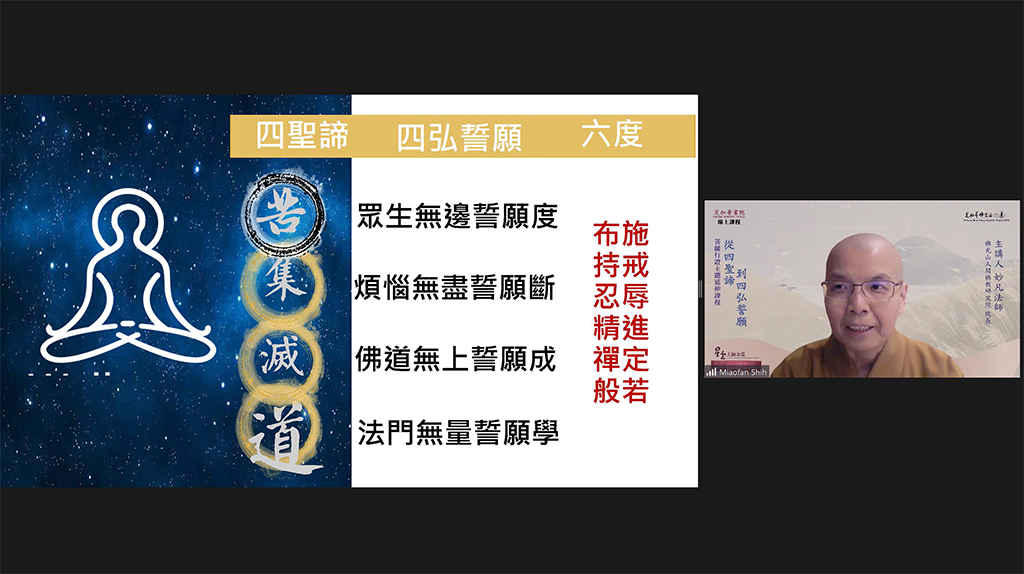


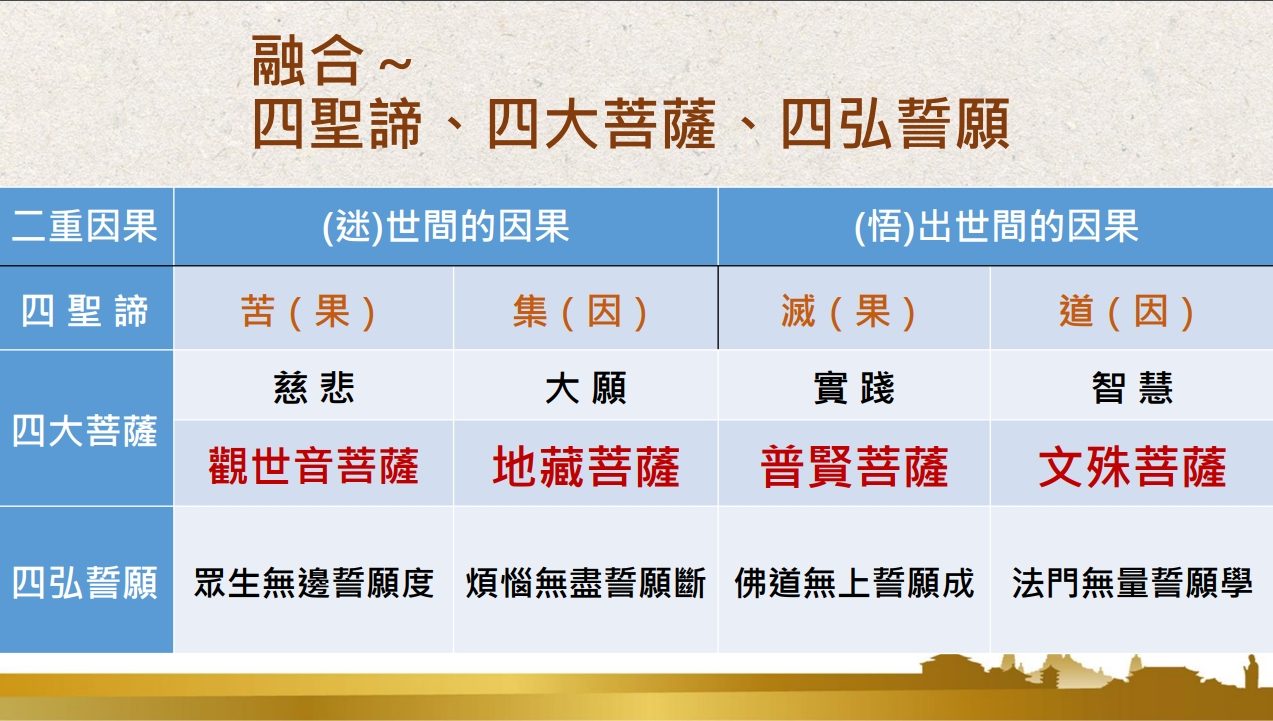


The Chicago Buddhist College invited Venerable Miao Fan, Dean of the Fo Guang Shan Institute of Humanistic Buddhism, to deliver two online lectures titled “From the Four Noble Truths to the Four Great Vows” on January 26 and February 2. Over 200 participants from nine states across North America, as well as Shanghai and Yangzhou, gathered online to gain wisdom and Dharma joy.
Venerable Miao Fan shared her own journey in seeking authentic Buddhism and explained the differences between Buddhism and other faiths. She pointed out that the “Four Noble Truths” (Suffering, Origin, Cessation, and Path) realized by the Buddha are the essence of all Dharma and the truth of dependent origination. Understanding the cycle of birth and death and the path to liberation inspires the determination to practice. By following the Noble Eightfold Path, one can move toward Nirvana and eliminate ignorance and afflictions.
The Venerable explained that all things arise from a combination of causes and conditions and are interdependent. Through right view, one can create positive conditions to transform suffering into joy. She emphasized the power of “self-patience” and the practice of Morality, Concentration, and Wisdom. In charity work, one should treat others with gratitude and equality. She further outlined the stages of practice: starting from the “Human and Heavenly Path” with giving and precepts; moving to the “Path of Liberation” to exit the cycle of rebirth; and finally the “Bodhisattva Path” by making the Four Great Vows and practicing the Six Perfections.
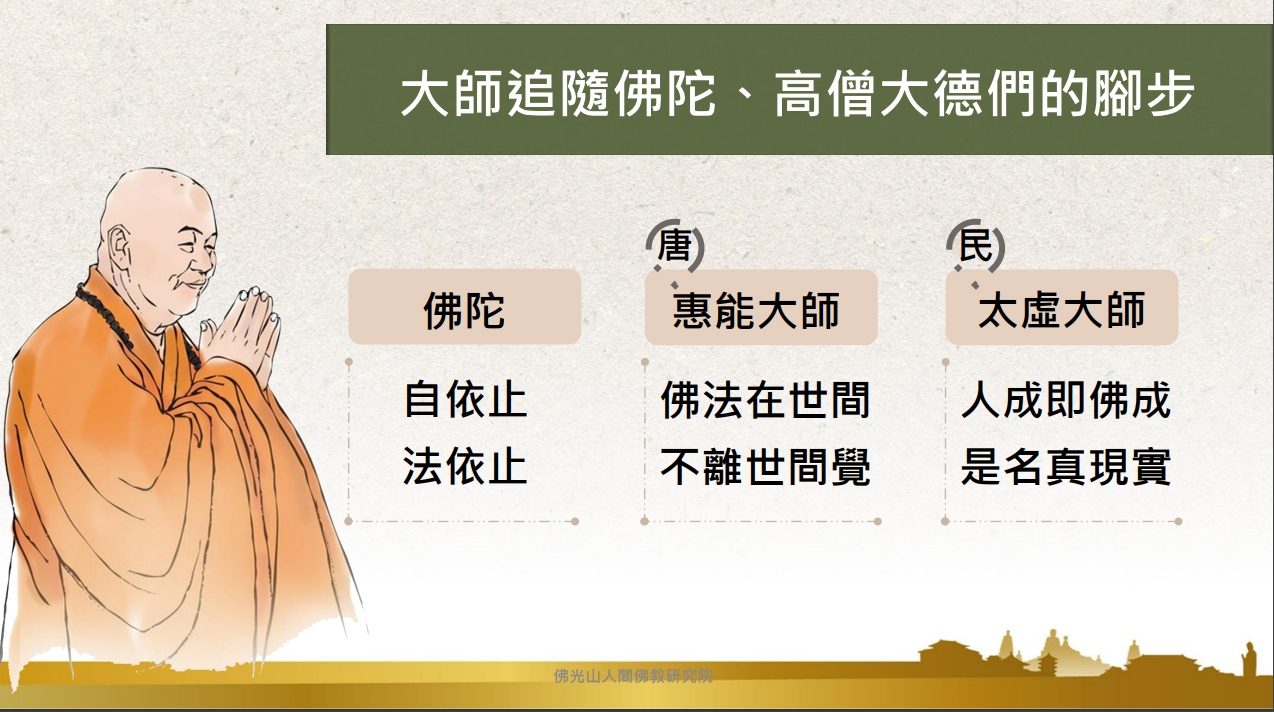
To conclude, the Venerable used the “Avalokitesvara Vow” to illustrate the life of Venerable Master Hsing Yun, who made vast vows even in the most difficult circumstances to establish Fo Guang Shan. She encouraged the audience to transform afflictions into Bodhi and adversity into opportunity, wishing everyone a beautiful future in the new year.
BLIA Chicago President Ke-Ying Wang reflected that suffering is the nature of life caused by greed, anger, and ignorance, all of which are governed by the law of cause and effect. Superintendent Yu-Wen Huang praised the Venerable for using a “pyramid structure” to explain these profound concepts. Participants from Michigan and Colorado, including Ling-Fang Chen and Ling-Wen Fang, shared how the lectures provided them with a clear sequence for their spiritual practice and a positive attitude toward transforming suffering into energy. These sessions provided invaluable guidance for the “Bodhisattva Practices” course this semester.